From the clinic
Sensitive teeth: what helps at home and when to come in
That sharp twinge from ice cream or cold air is common and often manageable at home. Sometimes, though, it is a sign of something that needs a dentist.
- Published
- 3 July 2026
- Topic
- Dental tips
- Reading time
- 4 min read
- What to expect
- General advice, not a replacement for a check-up
Teeth feel the cold when the softer layer beneath the enamel, called dentine, is exposed. Dentine is full of tiny channels that run to the nerve, so cold, sweet or acidic things reach it and cause a short, sharp twinge. The question is why the dentine is exposed.
Common causes
- Gum recession. The gum pulls back and uncovers the root, which has no enamel. Brushing too hard, gum problems and grinding are frequent reasons.
- Worn enamel. Acidic drinks, frequent snacking on sour foods, reflux and heavy brushing all thin the enamel over time.
- Recent dental work. A filling, a clean or whitening can leave a tooth sensitive for a few days or weeks. This usually settles.
- A crack, a cavity or a leaking filling. These let cold straight in and need treatment.
What helps at home
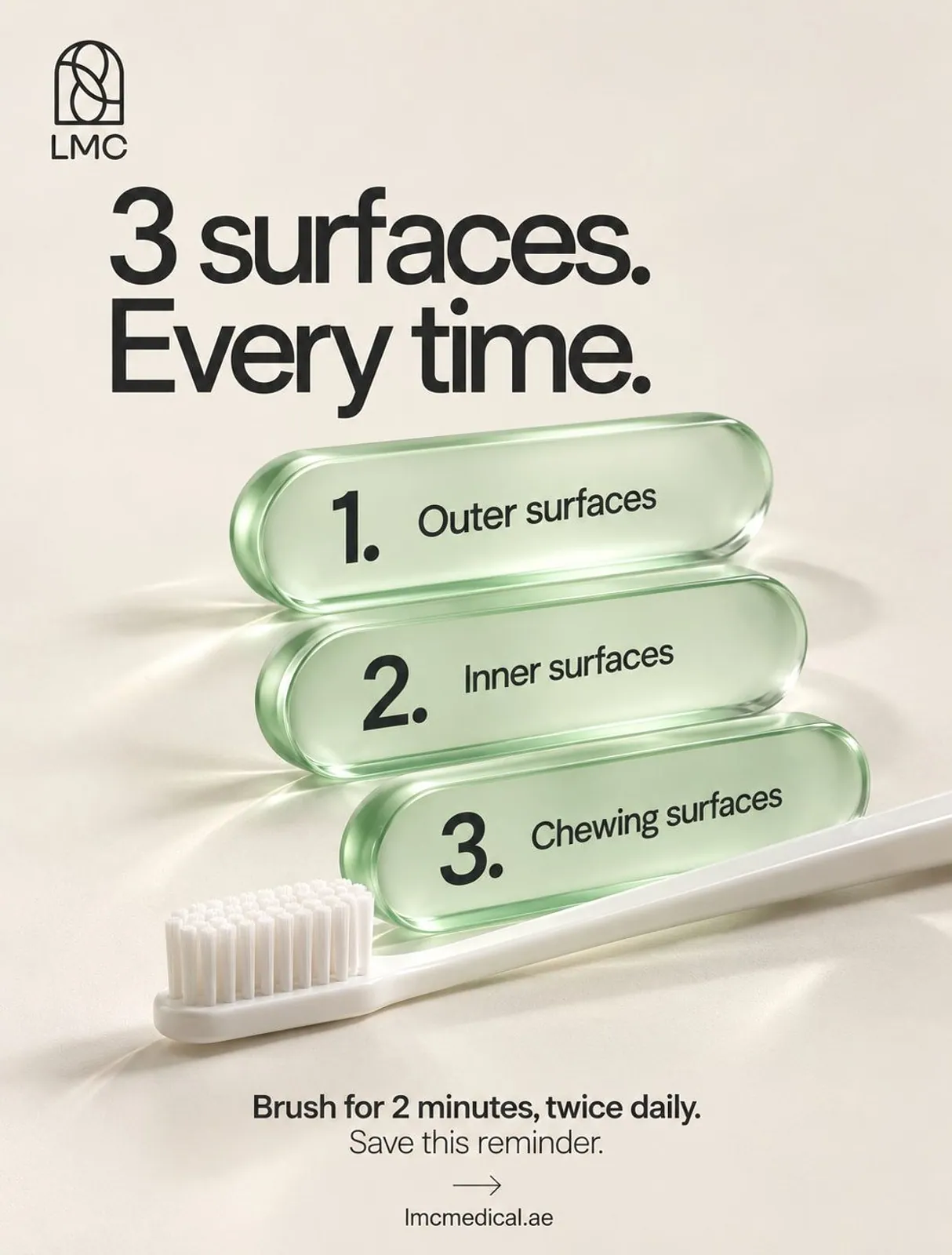
Switch to a toothpaste made for sensitive teeth and use it twice a day for at least a month. It works by blocking those tiny channels, so it needs time and consistency.
Look at how you brush. A soft brush, light pressure and small circles clean well without scrubbing the gum away. Wait half an hour after anything acidic before brushing, and cut down on fizzy drinks, citrus and sports drinks, or at least drink them with a meal and through a straw.
Signs it is more than sensitivity
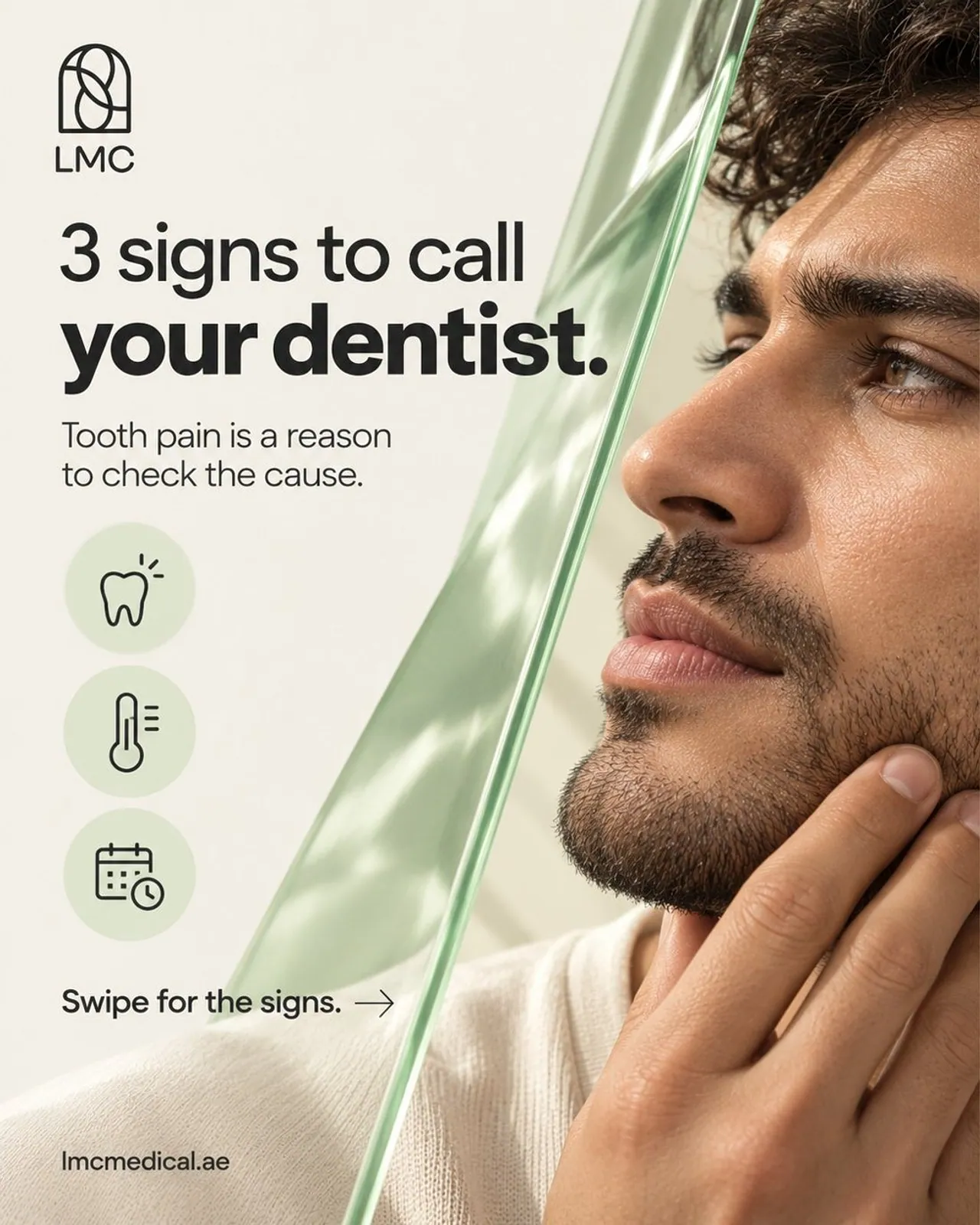
Ordinary sensitivity is brief and stops as soon as the trigger is gone. Make an appointment if you notice any of these:
- Discomfort that lingers for more than a few seconds after cold, or discomfort with heat.
- A throbbing ache that comes on by itself, or wakes you at night.
- Discomfort when you bite down or release.
- Swelling of the gum, a bad taste, or a tooth that looks darker than its neighbours.
- Sensitivity in one tooth only, rather than a general feeling.
These can point to a crack, deep decay or an inflamed nerve. Caught early, the fix is often simple. Left alone, the same tooth may need a root canal or more.
What the dentist can do
Depending on the cause, your dentist may apply a protective varnish, seal exposed root surfaces, treat the gums or adjust a filling. If the gums have receded because of a gum condition, caring for the gums comes first.
This is general information and does not replace an examination. If your teeth have been sensitive for more than a few weeks, ask your dentist at LMC, or message the clinic on WhatsApp.
General advice to help you understand your health. Your dentist or clinician will tell you what applies to you.

Your smile journey starts here
Questions about this? Just ask.
Tell us what is bothering you. We will tell you honestly what will help and what you can skip.